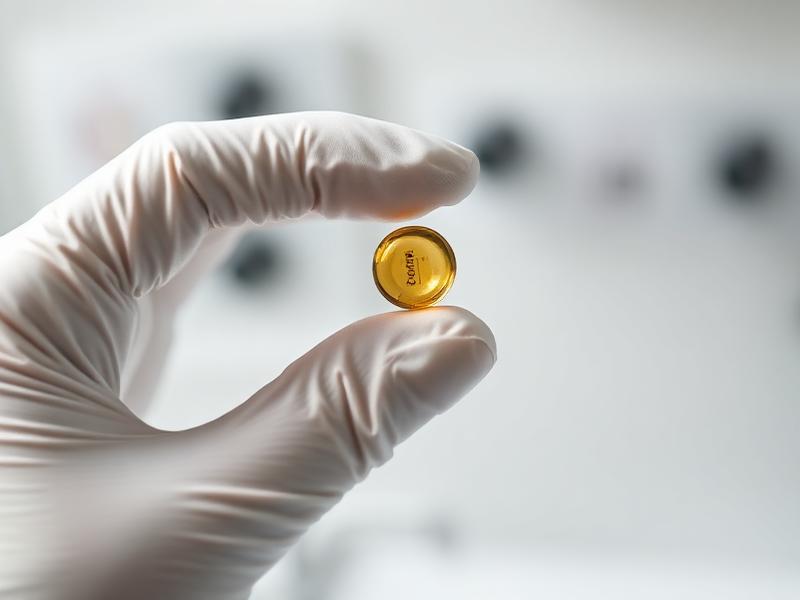
Pellet therapy is the option patients ask about most, usually because they are tired of daily creams or weekly shots. Here is exactly how it works at our Downers Grove clinic and who it suits best.
What a Pellet Actually Is
A pellet is a small compressed cylinder of estradiol or testosterone, roughly the size of a grain of rice. It is placed under the skin of the upper hip and dissolves gradually, releasing hormone into your bloodstream at a steady rate for about 3 to 4 months. No daily dose to remember, no weekly peaks and dips.
Insertion Day, Step by Step
- We review your lab results and confirm your dose.
- The upper hip area is cleaned and numbed with local anesthetic.
- The pellet is inserted through a small opening, which is closed with a bandage. No stitches.
- Total time in the room is usually under 15 minutes.
Aftercare is simple: keep the area dry for 24 hours, skip swimming, hot tubs and heavy lower body training for a few days, and expect mild bruising or soreness.
When You Will Feel It
Sleep and energy often shift within 2 to 4 weeks. Mood, libido and mental clarity typically follow over 6 to 12 weeks. We recheck labs after your first insertion so the next dose is calibrated to how you actually responded.
Pellets Versus Injections and Creams
- Pellets: steadiest levels, least maintenance, three to four visits a year. Dose cannot be changed until the pellet dissolves.
- Injections: most adjustable, fast to change or stop, but weekly. Common for men on TRT.
- Creams, patches and oral progesterone: easy to start and stop, but require daily consistency and absorption varies.
Who Pellets Suit Best
Patients who travel, who forget daily doses, or who want to stop thinking about their protocol between visits. If your levels are still being dialed in, we may start with injections or creams and move to pellets once your dose is stable. Read the full hormone therapy overview or our HRT page for women.
Frequently Asked Questions
How long do pellets last?
About 3 to 4 months for most women and 4 to 5 months for most men, depending on metabolism and activity.
Does it hurt?
The area is numbed first. Most patients report pressure during insertion and mild soreness for a few days.
Can a pellet be removed?
Removal is possible but uncommon. This is why we confirm your dose with labs before inserting.
Will insurance cover pellets?
Insertions are usually self pay while labs may be covered. HSA and FSA funds generally apply. See our cost guide.
Ready to Ask About Pellets?
Book a consultation at 4121 Fairview Avenue, Suite 103 in Downers Grove and we will tell you whether pellets are the right starting point for your labs.